



Share
Wind power generator
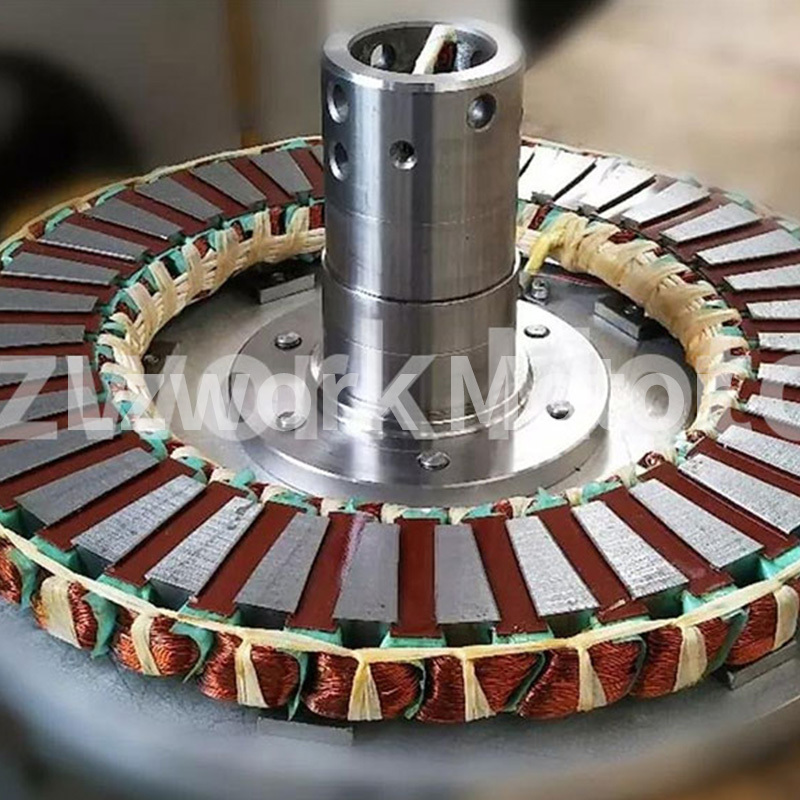
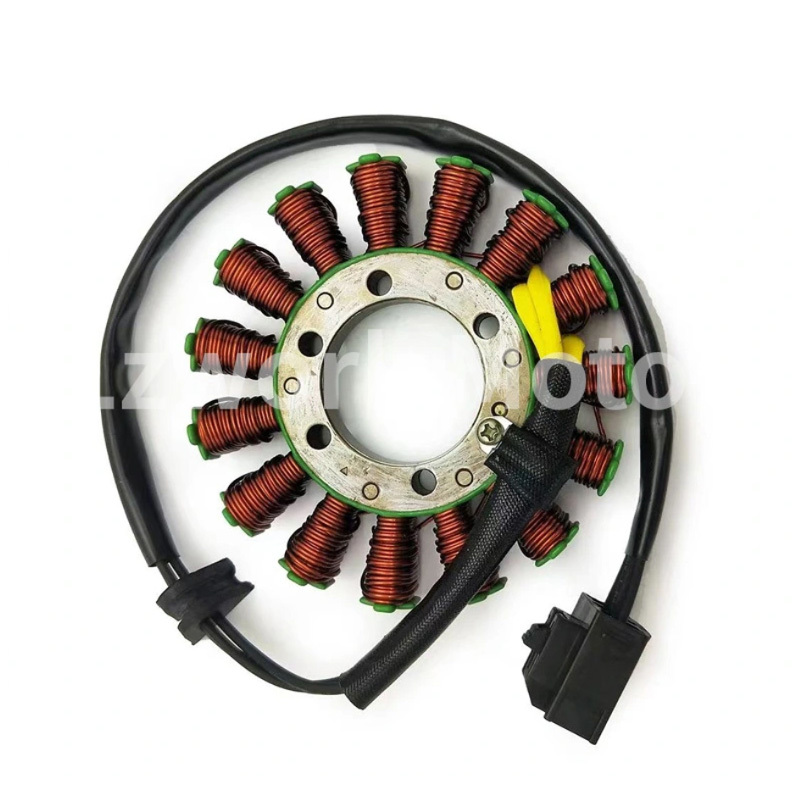
Summary: Main products: stator assembly, various motors, generators, water pumps, household appliances motors, permanent magnet motors, servo motors, etc.
Still thinking about it? Get samples first!Contact us!
View Category
Key words: stator assembly, motor
- Product Description
-

Wind power generators are devices that convert the kinetic energy of wind into electrical energy. They consist of a rotor with blades, a generator, and a tower to support the rotor and generator. The blades of the rotor are designed to capture the wind's energy and convert it into rotational motion, which is then transferred to the generator to produce electricity.
Wind power generators are an attractive option for renewable energy production as they do not emit greenhouse gases or pollutants during operation. They also have low operational costs and require minimal maintenance, making them a cost-effective solution for generating clean energy.
The efficiency of a wind power generator depends on several factors, including the design of the blades, the height of the tower, and the speed and direction of the wind. Modern wind turbines can achieve efficiencies of up to 40-50%, meaning that they can convert up to half of the available wind energy into electricity.
One of the key advantages of wind power generators is their scalability. They can be installed in a variety of sizes, from small residential units to large commercial wind farms. This makes them suitable for a wide range of applications, from providing power to individual homes to supplying electricity to entire communities.
Another benefit of wind power generators is their ability to operate independently of the grid. This means that they can provide a reliable source of energy in remote areas where access to the grid is limited or non-existent. They can also serve as a backup power source during power outages or other disruptions to the grid.
However, wind power generators do have some limitations. One of the main challenges is the variability of wind resources, which can affect the consistency and reliability of power generation. Additionally, the initial cost of installing a wind turbine can be high, although this is often offset by the long-term savings on energy costs.
In terms of environmental impact, wind power generators have a relatively low footprint compared to traditional fossil fuel-based power generation methods. They do not produce air or water pollution, and their operation does not contribute to climate change. However, there are some concerns about the impact of wind turbines on wildlife, particularly birds and bats, which can be killed or injured by collisions with the rotating blades.
Overall, wind power generators offer a promising solution for meeting our growing energy needs while reducing our reliance on fossil fuels and minimizing our impact on the environment. As technology continues to advance and costs continue to decline, we can expect to see even greater adoption of wind power generators in the coming years.
Wind power generator
Still thinking about it? Get samples first!Contact us!
View Category
Key words: stator assembly, motor
Product inquiry
Note: Please leave your E-mail address and our professionals will contact you as soon as possible!


FOLLOW US/FOLLOW US


immediate consultation