


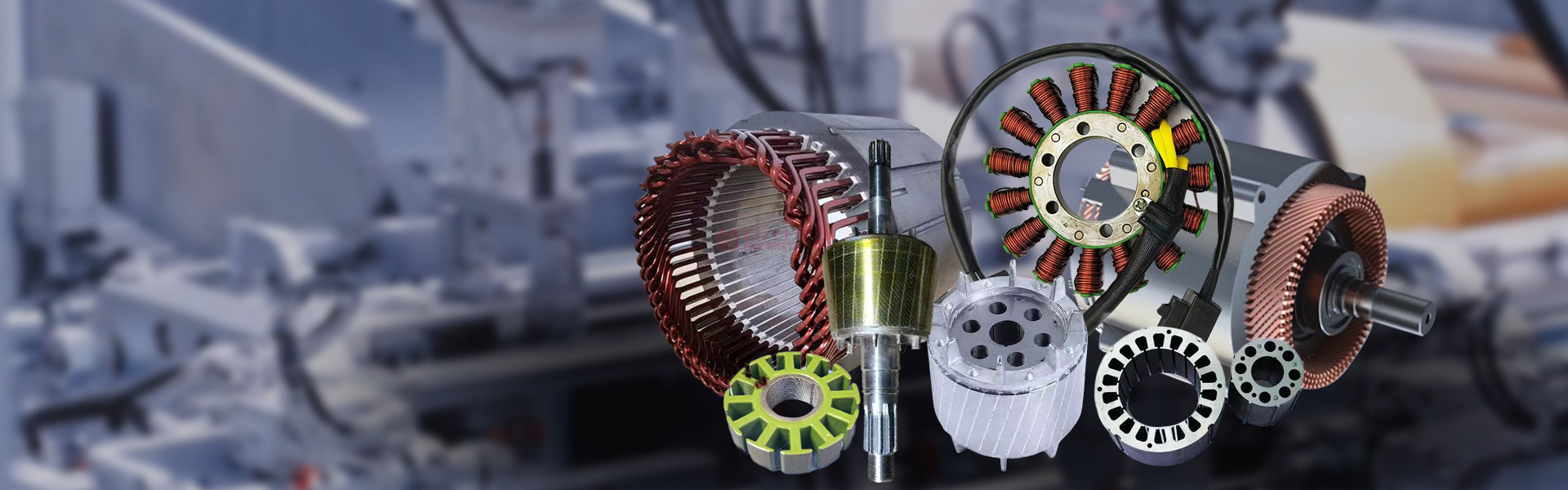

A starting motor, also known as a starter motor or cranking motor, is an essential component of any internal combustion engine. Its primary function is to initiate the mechanical movement required for the engine to start and run smoothly.
A starting motor is a crucial component in an internal combustion engine system. It is designed to crank the engine and initiate the combustion process. The starting motor is typically an electric motor that converts electrical energy into mechanical rotational energy.
A servo motor is a high-performance motor that offers precise control and positioning capabilities. It is widely used in various industries, including robotics, manufacturing, aerospace, and automotive, where accurate and repeatable motion is crucial. One of the key features of a servo motor is its ability to precisely follow a commanded position or velocity. It achieves this through a feedback mechanism that continuously monitors the motor’s position and adjusts the power input accordingly. This feedback loop ensures that the motor moves to the desired position with high accuracy and without overshooting or undershooting.
A stepper motor, also known as a step motor or stepping motor, is an electromechanical device that converts electrical pulses into discrete mechanical movements. It operates by dividing a full rotation into a number of individual steps, with each step being triggered by an electrical pulse. This precise control allows for accurate positioning and speed regulation without the need for feedback systems.
FOLLOW US/FOLLOW US


immediate consultation